
Watch our ‘Beyond grant funding’ webinar
Posted on 16th April 2026
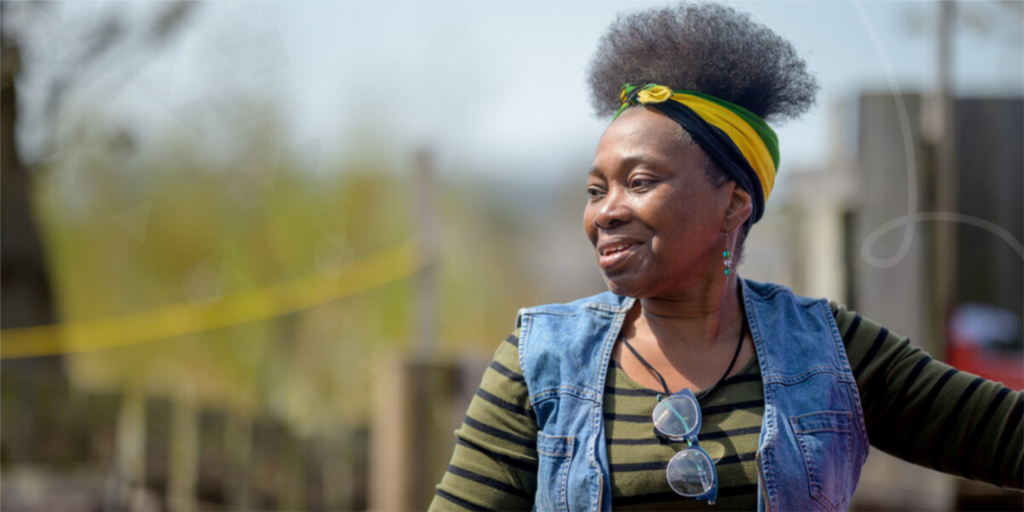
How funding is designed shapes how support is experienced.
In this webinar, we share reflections from our work at Longleigh Foundation and how we are thinking about our role as a funder as we develop our 2025 to 2028 strategy.
Across the discussion, one theme comes through clearly:
“If we want tenants to thrive on their own terms, we have to be prepared to fund on different terms.”
Questions shaping our approach
As part of this work, we have been reflecting on a number of key questions:
- Are our processes empowering, or are they controlling
- Are we funding crisis or enabling resilience
- Are we truly listening to lived experience
These questions are helping to shape how we approach funding and support.
What we are testing and learning
To understand what works in practice, we have been testing different approaches.
This includes:
- Piloting cash-first approaches and monitoring what changes
- Expanding choice in practical grants to strengthen dignity
- Exploring participatory approaches that embed tenant influence
- Rethinking partnership as something relational rather than transactional
Some of these approaches are working well. Others continue to evolve. All of them are contributing to our learning.
One of the key shifts we are seeing is that:
“Cash-first isn’t about removing safeguards. It’s about a shift from control to trust.”
When we trust tenants with flexibility, they prioritise stability, plan ahead and make decisions that work for them.
Dignity and trust in practice
Dignity, trust and long-term thinking are often described as values. However, in practice, they are decisions about how support is designed and delivered.
As one reflection from our work puts it:
“What funding models say, unintentionally, is: we’ll help, but on our terms.”
These choices affect confidence, engagement and long-term outcomes.
Lived experience is not anecdotal insight. It is expertise.
As one grantee reflected on their experience of support:
“I didn’t feel like I was begging. I felt like I could keep my dignity.”
And that distinction matters.
What it looks like in practice
While these ideas may sound theoretical, their impact is very real.
Through our grant-making, we see how small changes in flexibility and trust can lead to very different outcomes for individuals and families.
For example, one grantee described how support helped them move from financial insecurity into self-employment. As a result, they were able to build something more stable for themselves and their community.
This shows that support is not only about meeting immediate need. It is also about creating the conditions for longer-term opportunity.
Watch the webinar
You can watch the full webinar below:
Continuing the conversation
Ultimately, if we want different outcomes, we may need to fund differently.
We will continue to test, learn and adapt alongside housing associations and community partners who are working to strengthen support for tenants.
